Is AI the Greatest Art Heist in History?
AI-generated art has sparked debates about authenticity and value, raising questions about ownership and creativity. The phenomenon challenges traditional notions of artistic ownership and the role of human artists.
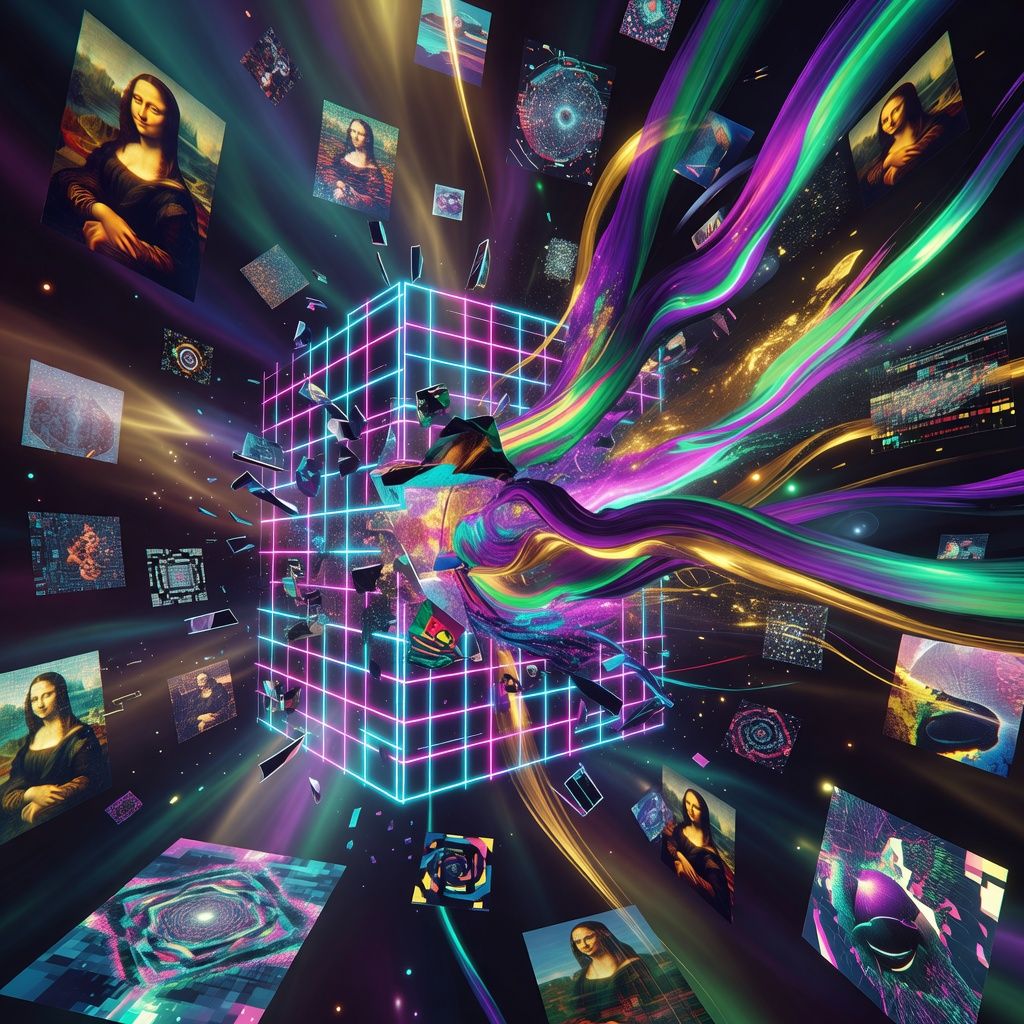
A recent article in The Guardian has sparked a heated debate about whether AI-generated art constitutes the greatest art heist in history. The piece argues that AI models, trained on vast datasets of existing artworks, effectively 'steal' creative ideas and styles from human artists without proper attribution or compensation. This has led to a surge in discussions about the ethical implications of AI in the art world.
The controversy centers on the idea that AI models learn from and replicate the styles of human artists, potentially devaluing their original work. Critics argue that this undermines the artistic process and the economic value of human creativity. Proponents, however, contend that AI-generated art is a new form of expression that builds upon existing traditions, much like how human artists have always been influenced by their predecessors.
The debate is far from settled. As AI continues to evolve, the art world will need to grapple with questions of ownership, authenticity, and the role of human creativity. Legal frameworks and industry standards may need to adapt to address these challenges, ensuring that both human artists and AI developers can coexist in the creative landscape.