New Framework Enhances Adaptability and Reproducibility in Medical Image Processing
Researchers propose an artifact-based agent framework to improve adaptability and reproducibility in medical image processing workflows. This approach addresses critical needs for real-world clinical deployment.
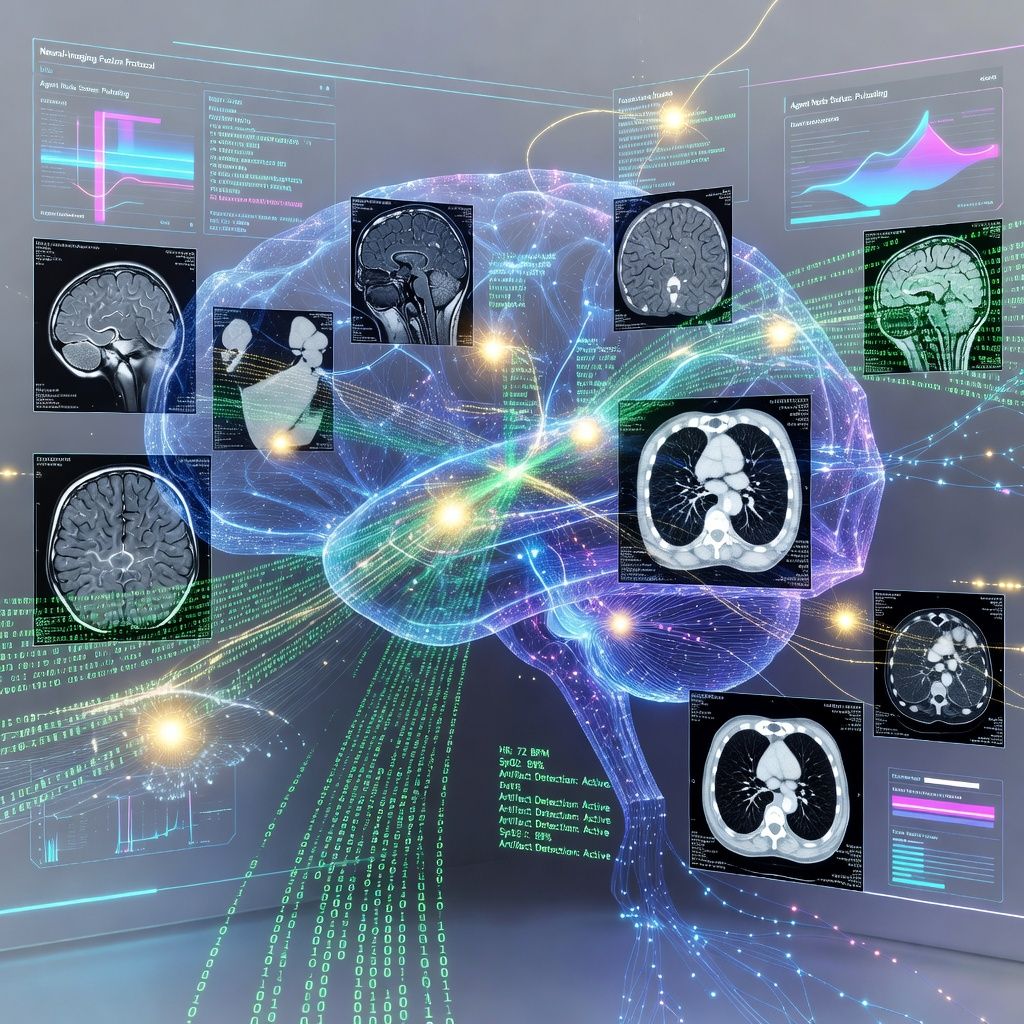
A new framework designed for medical image processing aims to tackle the challenges of adaptability and reproducibility in clinical settings. Published on arXiv, the study introduces an artifact-based agent framework that configures workflows based on dataset-specific conditions and evolving analytical goals. This approach ensures that all transformations and decisions are explicitly recorded, addressing the growing demand for reliable medical imaging solutions.
The framework is particularly significant as medical imaging research shifts from controlled benchmarks to real-world clinical applications. Adaptability allows workflows to be tailored to specific datasets and changing analytical needs, while reproducibility ensures that all steps are documented, facilitating transparency and trust. This dual focus is crucial for the deployment of medical imaging technologies in diverse clinical environments.
The proposed framework could revolutionize how medical image processing is conducted, making it more adaptable to varying clinical conditions and ensuring that results are reproducible. Future developments may include broader adoption in clinical settings and integration with existing medical imaging systems. The study opens new avenues for improving the reliability and effectiveness of medical imaging technologies.