China's Bold Push to Lead in Embodied AI and Robotics
China is aggressively investing in embodied AI to revolutionize its robotics industry. This strategy aims to position the country as a global leader in AI-driven automation by 2030.
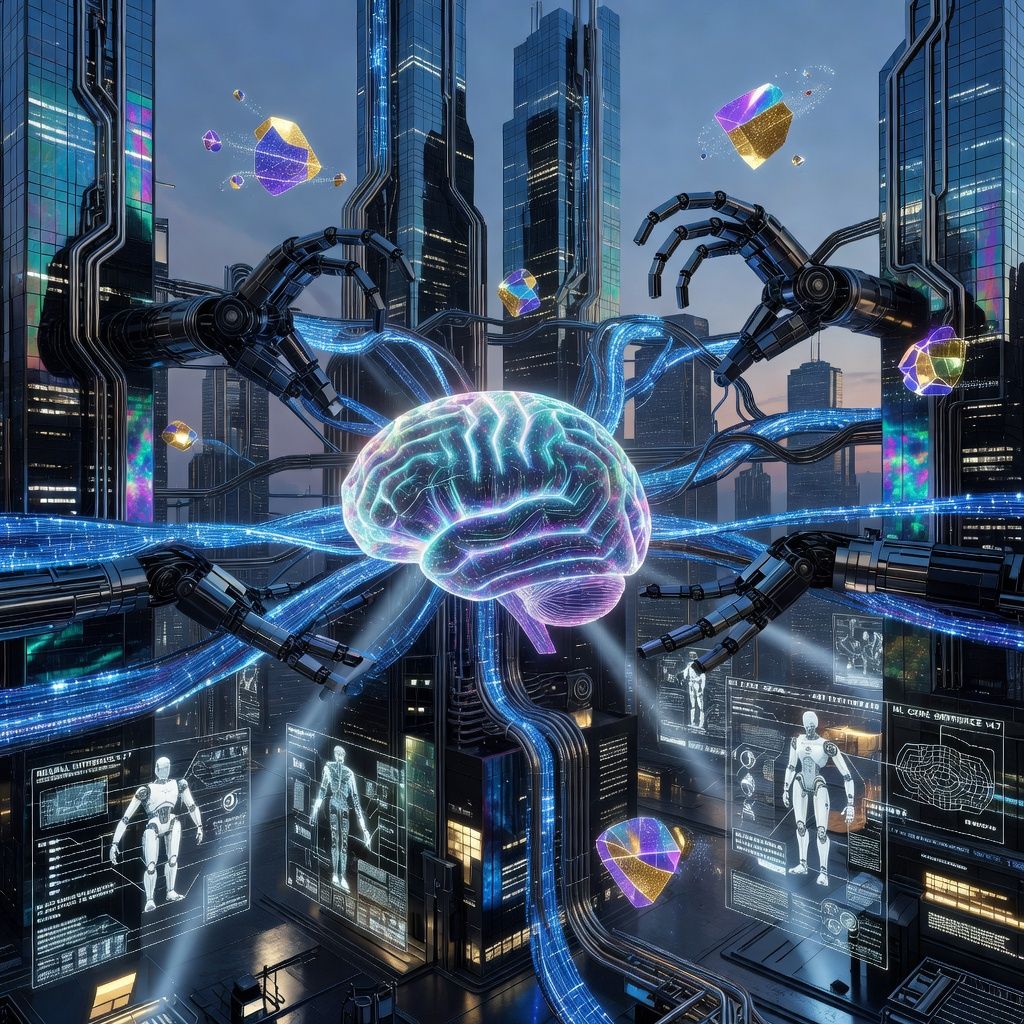
China has launched an ambitious initiative to dominate the field of embodied AI, focusing on integrating advanced artificial intelligence with robotics. The plan, outlined in a recent report, aims to transform China's robotics industry by leveraging AI to create more autonomous, adaptive, and capable machines. This move is part of a broader strategy to reduce reliance on foreign technology and establish China as a leader in AI-driven automation.
The significance of this push cannot be overstated. Embodied AI, which combines AI with physical robots, has applications ranging from manufacturing and healthcare to logistics and agriculture. By investing heavily in this area, China is positioning itself to capture a significant share of the global robotics market, which is projected to reach $290 billion by 2030. This initiative also aligns with China's broader goals of technological self-sufficiency and innovation-driven growth.
Looking ahead, the success of this endeavor will depend on several factors, including the ability to attract top talent, foster innovation, and overcome technical challenges. The reactions from the global tech community have been mixed, with some praising China's ambitious vision and others expressing concerns about the potential implications for global competition. As China continues to invest in embodied AI, the world will be watching closely to see how this strategy unfolds and what it means for the future of robotics.