AI Outperforms Doctors in Diagnostic Accuracy
Recent studies show AI models achieving higher accuracy in medical diagnoses than human doctors. This shift could revolutionize healthcare delivery and decision-making.
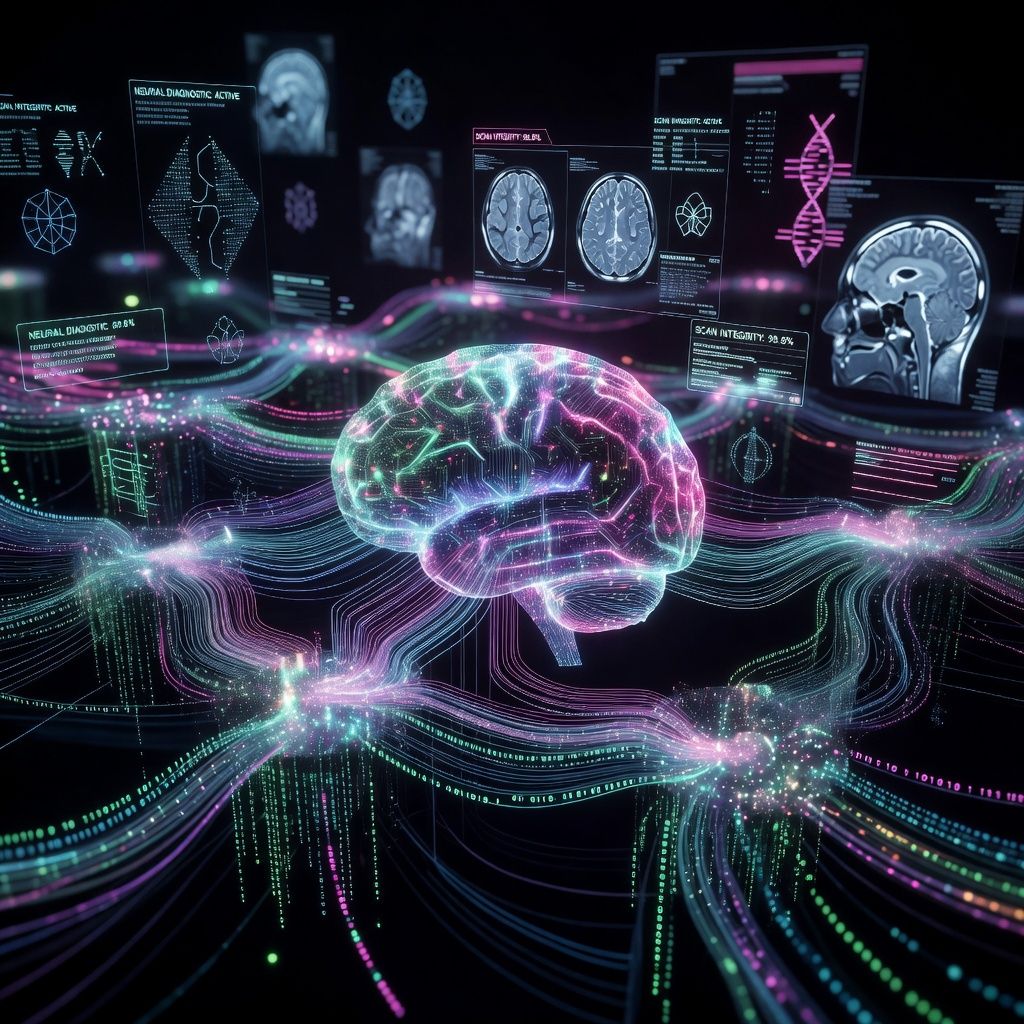
Recent studies have demonstrated that advanced AI models are now outperforming human doctors in diagnostic accuracy. These AI systems, trained on vast datasets of medical images and patient records, have shown superior performance in identifying diseases ranging from cancer to rare genetic disorders. The findings suggest that AI could become a critical tool in medical diagnostics, potentially reducing misdiagnoses and improving patient outcomes.
The implications of this development are profound. AI's ability to process and analyze complex medical data faster and more accurately than humans could lead to earlier interventions and more personalized treatment plans. However, challenges remain, including ensuring the transparency of AI decision-making processes and integrating these systems into existing healthcare workflows. The shift also raises questions about the future role of doctors, who may need to adapt their skills to work alongside AI systems.
Looking ahead, the medical community is likely to see increased adoption of AI diagnostics, but regulatory and ethical considerations will need to be addressed. The wild part: some experts predict that within a decade, AI could handle routine diagnostic tasks, freeing up doctors to focus on more complex cases and patient care. The debate over whether AI can truly replace human judgment in medicine is far from over, but the data suggests a significant shift is underway.