AI Brains Process Negative and Positive Emotions Differently
New research shows that AI models handle negative emotions in early stages and positive ones later. This could help make AI responses more emotionally balanced and nuanced.
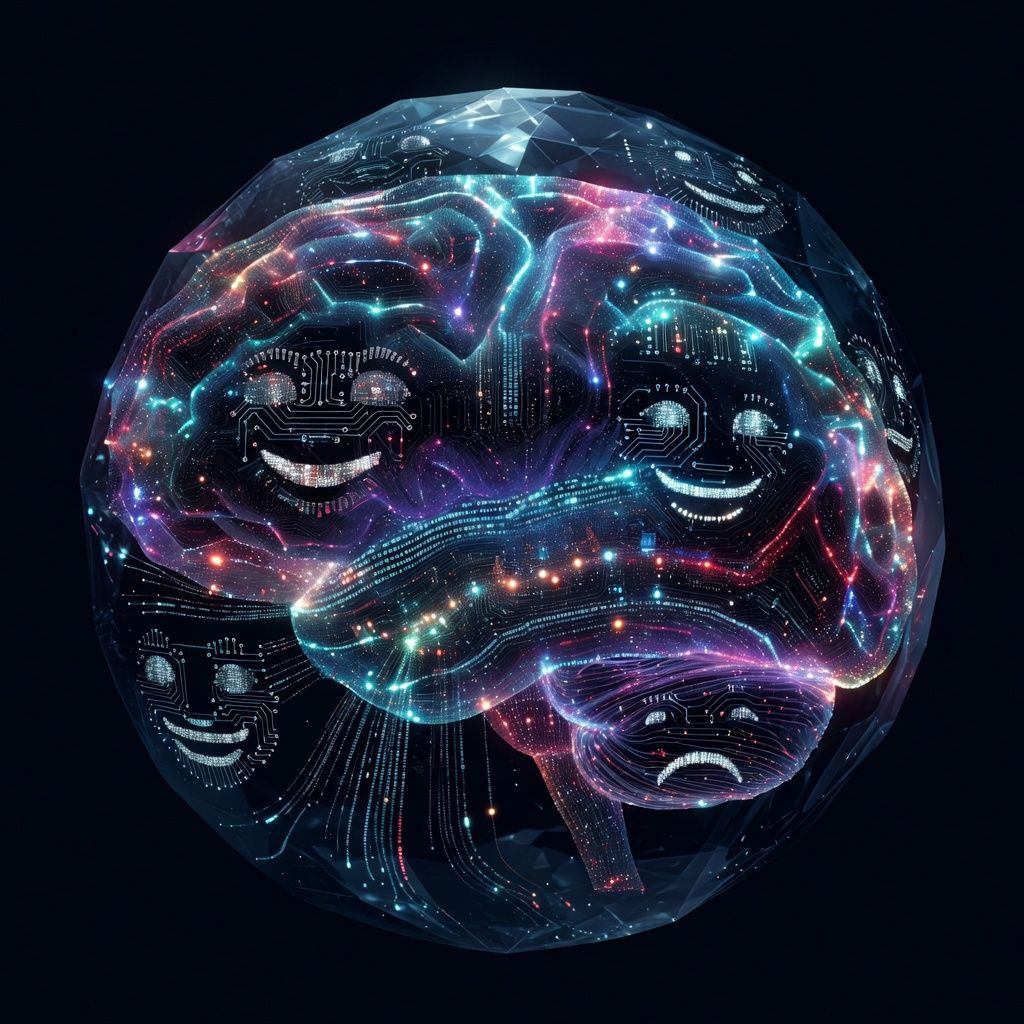
Scientists have discovered that large language models (LLMs) process negative and positive emotions at different stages. Negative emotions are detected and handled in the early layers of the AI's brain, while positive emotions are processed later. This finding suggests that AI models have a built-in asymmetry in how they understand and respond to emotional content.
This matters because it explains why AI sometimes seems overly negative or positive. If we can adjust how these emotions are processed, AI could become more balanced and empathetic. For example, customer service bots might sound more friendly and less robotic, making interactions feel more natural and helpful.
If you use AI tools that involve emotional responses, like chatbots or virtual assistants, this research could lead to better, more nuanced interactions in the future. Keep an eye out for updates from your favorite AI services as they incorporate these findings to improve their emotional intelligence.