Pope's AI Encyclical: Did AI Write About Its Own Dangers?
An analysis suggests parts of Pope Leo XIV's encyclical on AI may have been written by AI. This raises questions about authenticity and the role of AI in religious and ethical discourse.
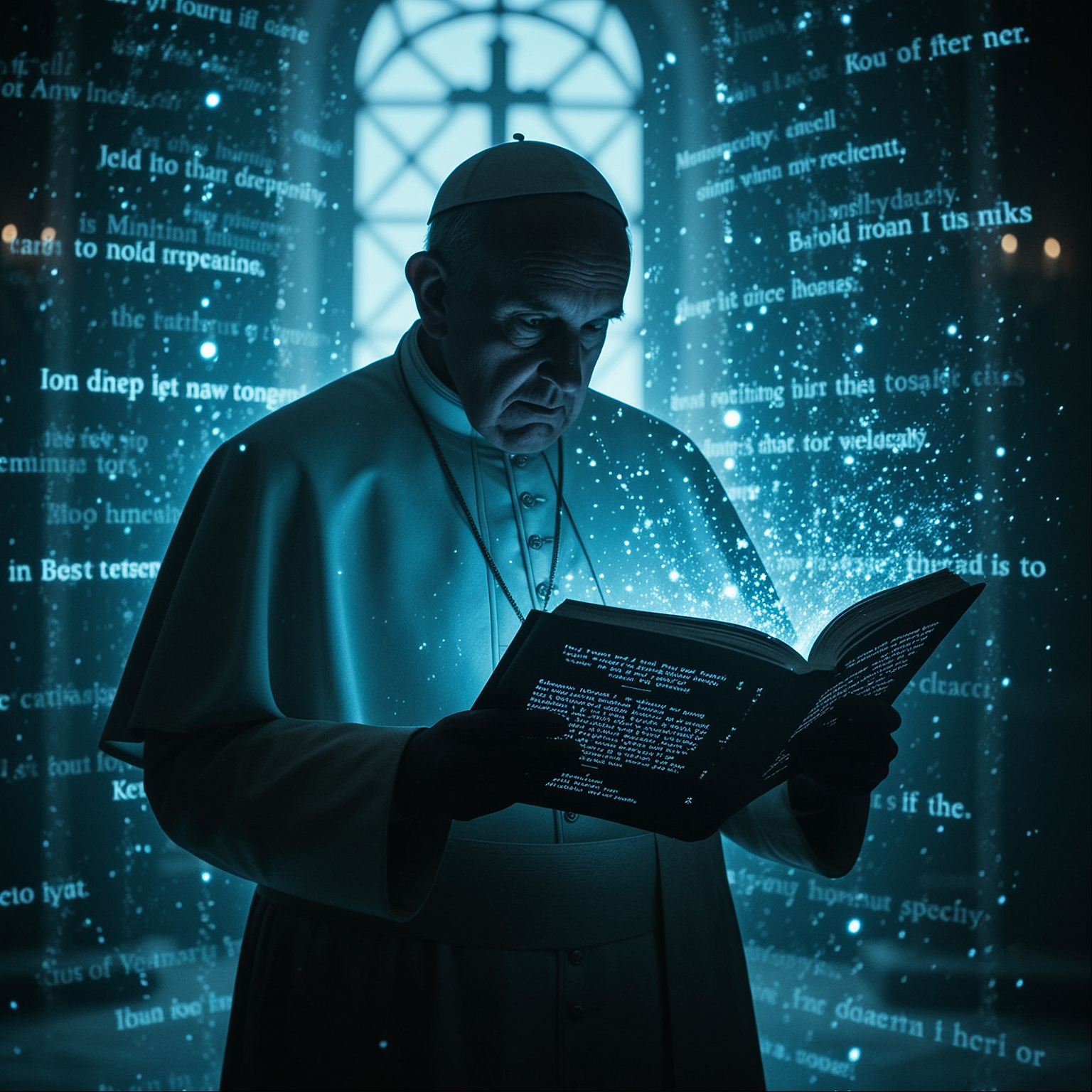
The Vatican released Pope Leo XIV's latest encyclical, Magnifica Humanitas, addressing the ethical implications of AI. An analysis by Linch Zhang, posted on the forum LessWrong, found that certain paragraphs of the document were between 40% and 100% likely to be written by AI, according to the popular AI detector Pangram. The encyclical discusses the potential dangers and moral considerations of artificial intelligence, making the possibility of AI involvement particularly ironic.
This revelation raises important questions about authenticity and trust in digital communication. If AI can write religious and ethical texts, how do we distinguish between human and machine-authored content? For everyday people, this means being more critical of the sources of information, especially when it comes to topics that require deep human insight and moral judgment.
If you're curious about AI detection tools, you can try Pangram for yourself. Visit the Pangram website and upload any text to see if it detects AI-generated content. This can be a useful way to understand how AI detection works and to verify the authenticity of texts you encounter online.