AURA: New AI Memory System Lets Robots Learn Without High VRAM
Researchers created a new memory system called AURA that helps robots learn efficiently without needing high-end VRAM. This could make robots smarter and more adaptable in real-world settings.
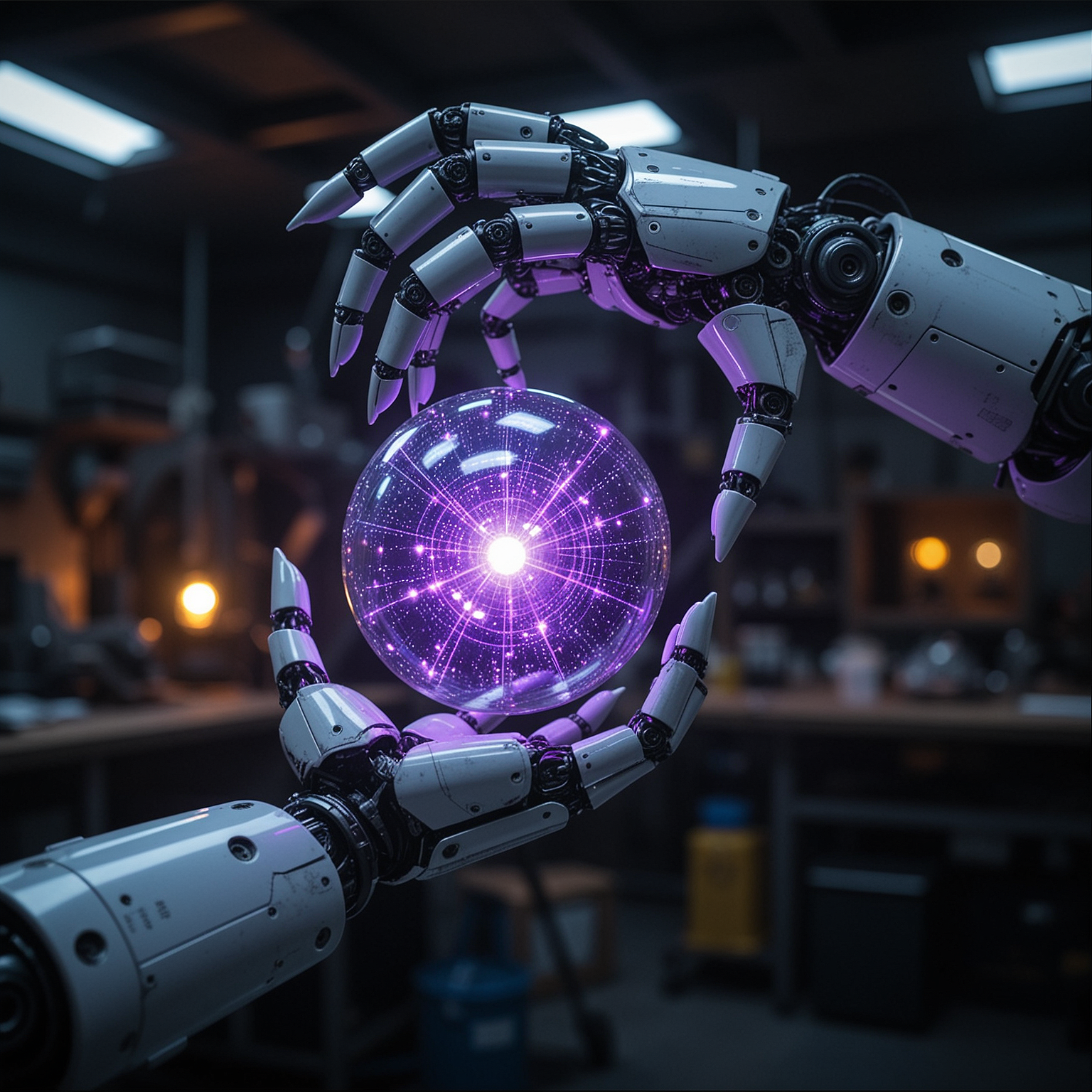
Researchers introduced AURA-Mem (Action-Utility Recurrent Adaptive Memory), a new memory system designed specifically for robots. Unlike traditional AI models that rely on the KV-cache — a memory approach optimized for data centers handling many short requests — AURA is built for embodied agents that run one long, non-resetting episode on bandwidth-limited edge hardware. In such settings, high-bandwidth memory and flash are scarce, flash has finite write endurance, and memory writes rather than compute can become the binding constraint. AURA wraps a frozen vision-language model, allowing robots to learn and adapt without needing expensive hardware. This is a big deal because most AI models are optimized for data centers, not for robots operating in the real world.
For everyday people, this means robots could become more useful in homes, offices, and factories. Imagine a robot that can learn to navigate your house without needing a supercomputer. AURA makes this possible by efficiently managing memory, allowing robots to perform tasks with limited resources. This could lead to more affordable and capable robots in the near future.
If you're curious about how this works, you can read the full research paper on ArXiv. Just go to arXiv.org and search for 'AURA: Action-Gated Memory for Robot Policies at Constant VRAM' to dive into the technical details.