Simpler AI Models Could Make Brain-Monitoring Wearables Smarter
Researchers have developed a way to simplify deep learning models for EEG analysis, making them more practical for wearable devices. This could lead to more affordable and accessible brain-monitoring technology for everyday use.
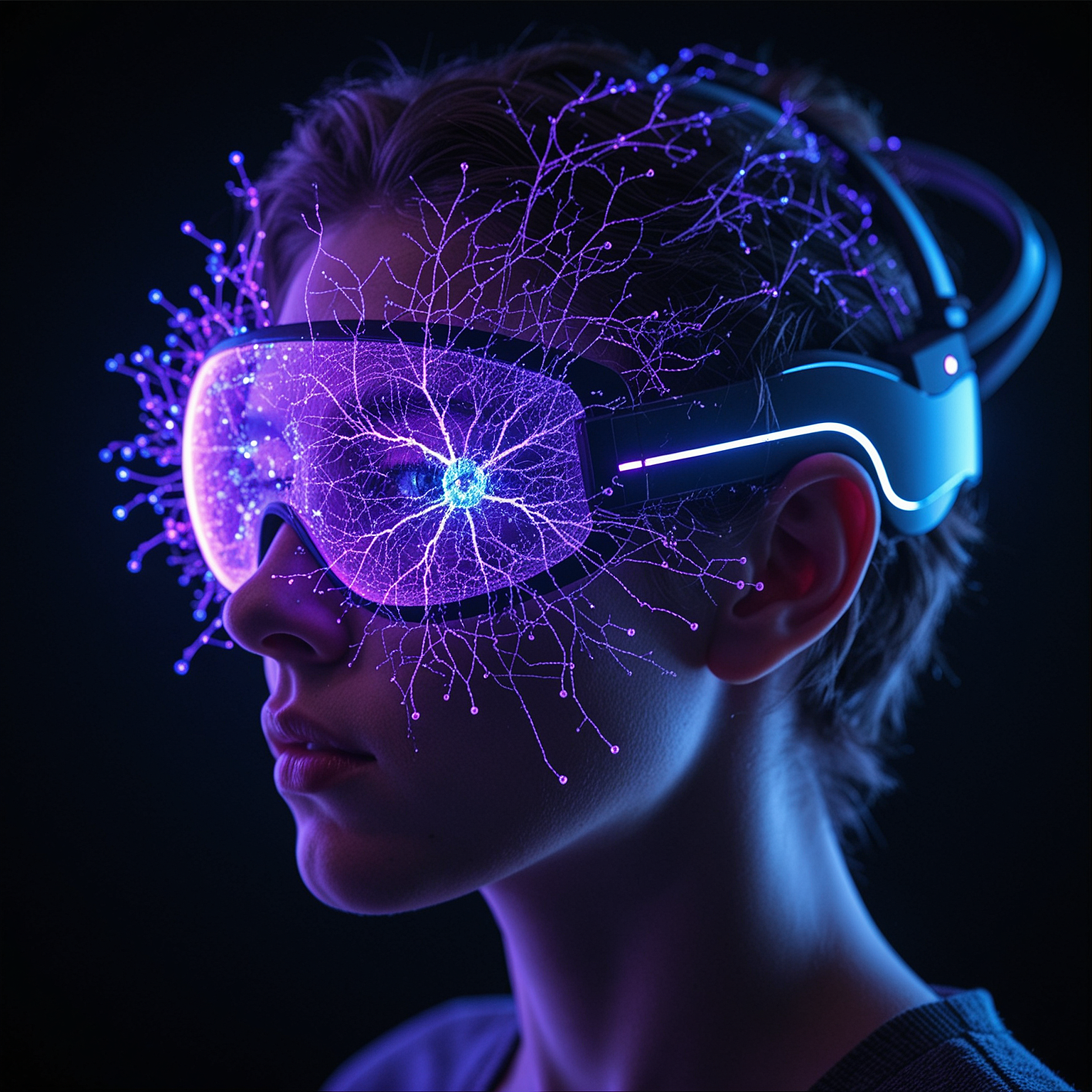
Researchers from ArXiv cs.AI announced a new method to reduce the complexity of deep learning models used for analyzing EEG signals. EEG, or electroencephalography, measures brain activity, and wearable devices that monitor it are growing in popularity. However, current AI models are too large and power-hungry for these small devices, limiting their usefulness.
This breakthrough means wearables could soon analyze brain signals in real-time without draining batteries or requiring expensive hardware. Think of it like switching from a high-end gaming PC to a smartphone for complex tasks— suddenly, it's something you can carry around all day. This could make brain-monitoring tech more common in hospitals, homes, and even fitness trackers.
If you're curious, check out the full research paper on ArXiv at https://arxiv.org/abs/2606.12742. While the technical details are advanced, the summary alone will give you a sense of how this could change wearable tech.