A satellite just learned to find things on its own — here’s what that means
A satellite has autonomously located a target for the first time, marking a major milestone in AI-powered space technology. This breakthrough could revolutionize how we monitor Earth and respond to disasters.
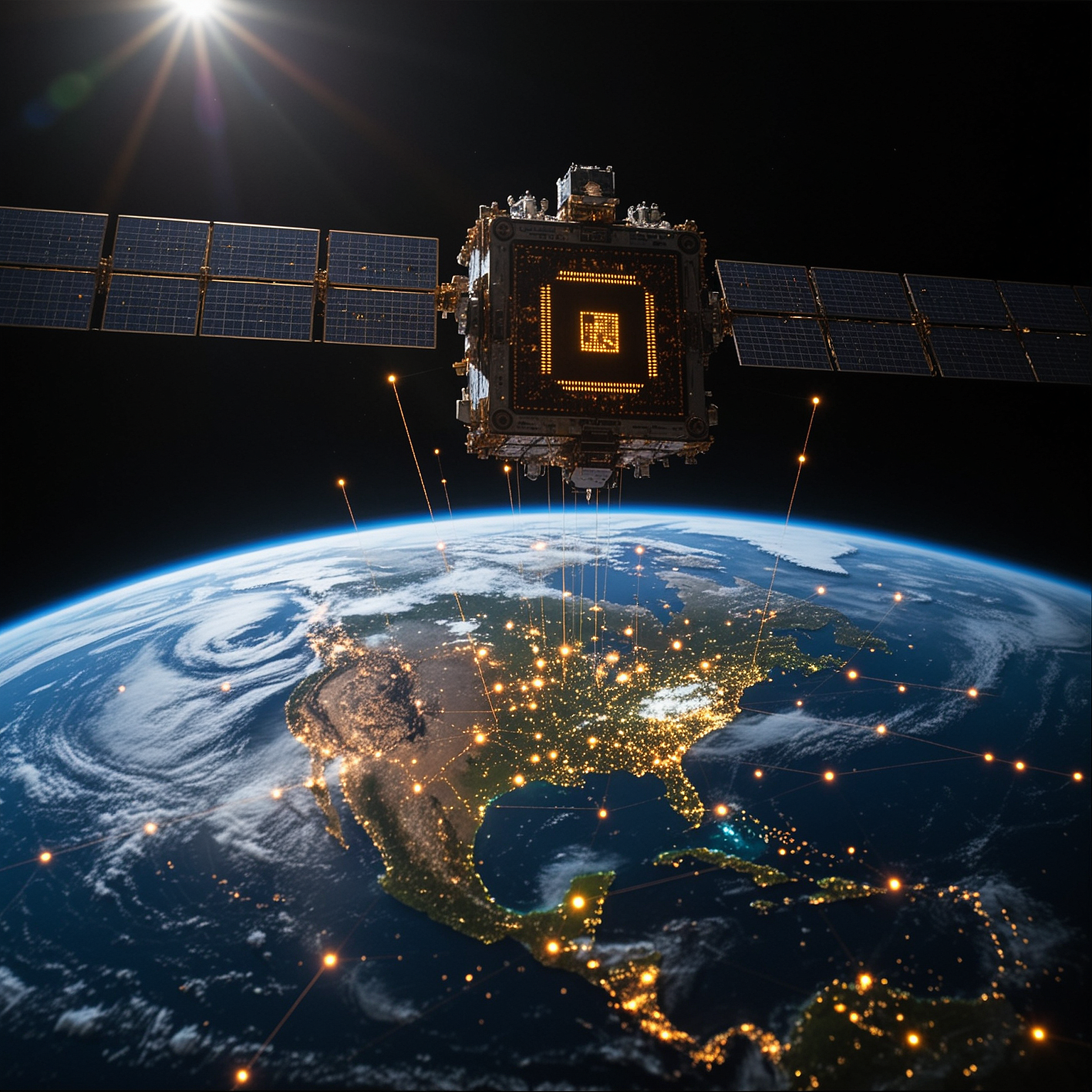
In April, for the first time ever, an Earth observation satellite found what it was looking for, all on its own. The satellite, equipped with advanced AI, identified and tracked a specific target without human intervention. This is a significant step forward in autonomous space technology, demonstrating that AI can handle complex tasks in orbit.
This development matters because it could drastically improve how we monitor our planet. Imagine a satellite that can quickly locate wildfires, track deforestation, or even spot illegal fishing boats without waiting for instructions from Earth. This kind of autonomy means faster responses to emergencies and more efficient use of satellite resources.
The source story from TechCrunch, published June 15, 2026, explains that this event occurred in April 2026 and represents a proof-of-concept for onboard AI in Earth observation. The article notes that while AI has been used to analyze satellite images back on Earth for years, this is the first time a satellite has executed an onboard, autonomous search-and-find mission without ground control telling it where to look. Key technical details include that the satellite used edge computing to process imagery in real time, dramatically cutting the latency between observation and action.
For readers curious about how AI is changing space technology, the source story references the growing ecosystem of commercial satellite operators and AI startups working on similar autonomy projects, though it does not recommend a specific NASA website. Instead, it suggests keeping an eye on companies like Satellogic, Planet Labs, and emerging AI-satellite ventures.