AI Digital Twins Could Revolutionize Personalized Medicine
Researchers developed an AI system that creates digital twins of patients to simulate treatments and optimize care in real-time while adhering to safety constraints. This approach could lead to more personalized and effective medical decisions.
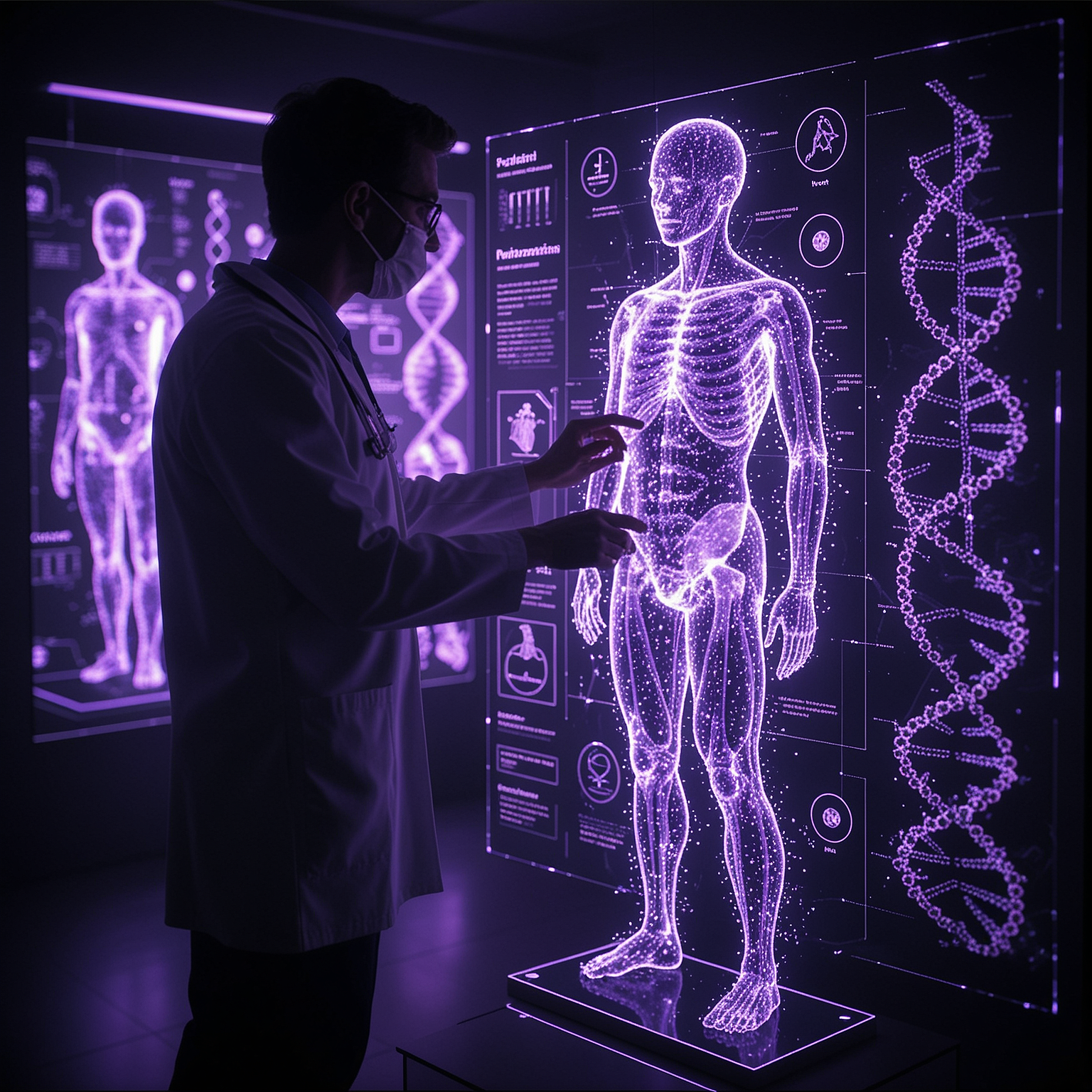
Researchers from ArXiv cs.AI introduced a new AI framework that uses digital twins to simulate patient responses to treatments. The system combines treatment effect estimation, digital twin simulation, and reinforcement learning to adapt to evolving patient conditions in real-time. In plain English, a digital twin is a virtual replica of a patient that mimics how they might respond to different treatments.
The system is initially trained on historical medical records and operates in a continuous learning loop. To ensure safety, it includes a rule-based monitoring module that enforces strict safety constraints during decision-making. This matters because it could make medical treatments more personalized and effective. Instead of relying on one-size-fits-all approaches, doctors could use these digital twins to test various treatments virtually before applying them to real patients. Think of it like a flight simulator for medicine, where doctors can practice and refine their strategies without any risk to the patient.
If you're curious about how this technology might impact your healthcare, you can start by learning more about digital twins and AI in medicine. Visit the ArXiv website and search for the paper titled 'Treatment Response Optimized Clinical Decision Support AI System via Digital Twin Simulation' to dive deeper into the research.