New AI Technique Helps LLMs Think More Creatively
Researchers developed a method called CreativityNeuro to make AI models generate more diverse and creative responses. This could help AI avoid repetitive answers and offer more unique ideas.
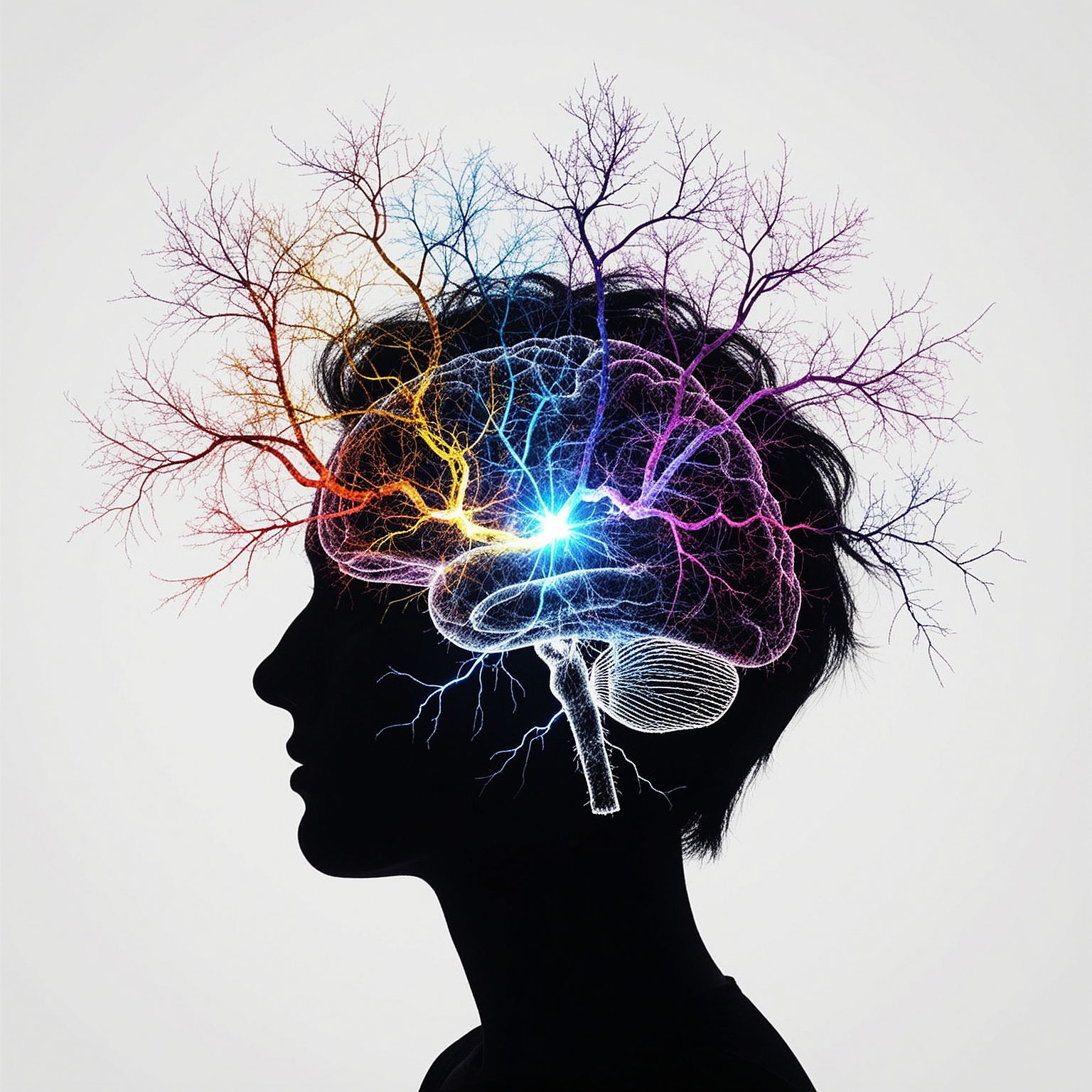
Researchers introduced CreativityNeuro, a new technique designed to make large language models (LLMs) more creative. Currently, LLMs often produce similar responses to open-ended questions, a phenomenon called the artificial hivemind effect. CreativityNeuro uses a method called contrastive weight steering to encourage AI models to think more divergently, which means generating a wider variety of ideas. The method is data-free, meaning it doesn't require additional training data or fine-tuning.
This matters because it could make AI tools more useful for tasks that require creativity, like brainstorming, writing, or problem-solving. Imagine asking an AI for story ideas and getting a list of unique, varied suggestions instead of similar ones. This technique could also help AI avoid mode collapse, where the model gets stuck generating repetitive content. The researchers tested their method on several creativity benchmarks, including the Divergent Association Task (DAT), which measures vocabulary-space creativity.
If you're curious about how this works, you can read the full research paper on arXiv. Look for the paper titled 'CreativityNeuro: Steering Language Model Weights to Improve Divergent Thinking and Reduce Mode Collapse' and dive into the details to see how this innovative method is changing the way AI thinks.